

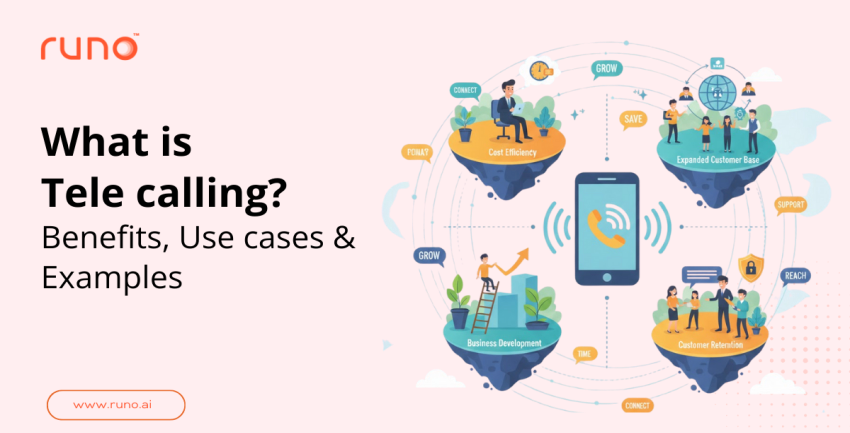
Telecalling is the process of using telephone calls to connect with customers or prospects for sales, support, feedback, or information sharing.
Telecalling is still one of the most reliable ways for businesses to speak directly with customers and build trust through honest conversations. Even as calling technologies have evolved over time, the telecalling meaning and core goal remain the same: clear, direct, and human communication.
According to Statista, the telecalling market is expected to grow steadily at a CAGR of 0.45% between 2025 and 2030, reaching a projected market size of US$11.92 billion by 2030. It shows that telecalling is not outdated. Instead, it is evolving with newer calling technologies such as cloud telephony and SIM-based call management systems.
To understand modern telecalling properly, it is essential to clearly differentiate between cloud telephony and SIM-based call management, as both work on very different technologies.
Telecalling Meaning Explained in Simple Words
The telecalling meaning is straightforward. Telecalling is the process of calling people on the phone to share information, sell products, collect feedback, or provide support.
A telecaller usually works from an office or home and talks to customers using a phone or a calling system. These calls can be outgoing calls to customers or incoming calls from customers.
Telecalling is used by small businesses, large companies, startups, schools, hospitals, banks, and service providers. It works because people like to talk to real humans, especially when they have questions or doubts.
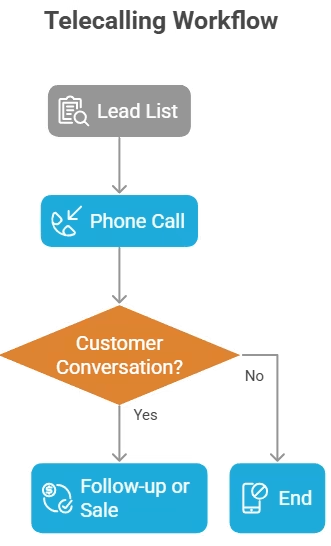
Evolution of Telecalling and Call Management Systems
Telecalling systems have evolved over several decades. In the early days, businesses relied on physical phone lines such as P-lines and trunk lines. It later moved to VoIP, or Voice over Internet Protocol, which allowed calls to be made using the internet.
An advanced version of VoIP led to cloud telephony. Over time, businesses also needed better control, tracking, and compliance, which led to the rise of SIM-based call management systems.
What Is Telecalling Work and How Does It Happen?
Many people ask, What is telecalling work exactly. Telecalling work involves talking to customers over phone calls to complete a specific goal for the business.
A telecaller’s daily work may include:
- Calling new leads to explain a product or service
- Following up with existing customers
- Answering customer questions
- Collecting payments or feedback
- Booking appointments or demos
- Solving basic customer problems
Telecalling work is usually guided by scripts, but good telecallers also listen carefully and respond naturally. The goal is not just to talk, but to help the customer and move the conversation forward.
Types of Telecalling Used by Businesses
The types of telecalling used by businesses are as follows:
Inbound Telecalling
Inbound telecalling means receiving calls from customers. These calls usually come from ads, websites, or customer support numbers.
Inbound telecallers:
- Answer customer questions
- Handle complaints
- Provide product details
- Help with orders or services.
Outbound Telecalling
Outbound telecalling means calling customers or leads. It is common in sales, follow-ups, and surveys.
Outbound telecallers:
- Call potential customers
- Promote offers
- Follow up on enquiries.
- Collect feedback
Both types are essential and often used together in telecalling services .
What Is Cloud Telephony?
Cloud telephony is a calling system where calls happen purely over the internet. In India, cloud telephony is legal and compliant with TRAI regulations.
However, cloud telephony currently operates using landline series numbers only. It means when a customer receives a call, the number usually starts with prefixes such as 080, 044, or other landline codes based on the city.
Key points about cloud telephony:
- Calls depend entirely on internet connectivity.
- If the internet is not available, calls cannot be made.
- Most cloud telephony systems are device-agnostic.
- Calls can be made from laptops, desktops, or mobile phones.
Cloud telephony is widely used by enterprises where mobile phones are not allowed on office floors, such as banks, NBFCs, and insurance companies.
What Is SIM-Based Call Management?
SIM-based call management works at the GSM network level and uses real mobile SIM numbers. Calls are made using physical SIM cards installed in mobile devices.
The customer sees the actual mobile number on their caller ID, not a virtual or landline number.
Key features of SIM-based call management:
- Higher call pickup rates.
- Customers trust real mobile numbers more.
- No internet dependency for making calls.
- The Internet is required only for tracking and managing calls.
Key Differences Between Cloud Telephony and SIM-Based Calling
Cloud telephony depends entirely on the internet and shows landline series numbers. SIM-based call management works on GSM networks and shows real mobile numbers.
Both systems solve different business needs and are not the same technology.
Why Telecalling Still Matters in the Digital Age
Many people think telecalling is old-fashioned. That is not true. Telecalling still works because it is direct, fast, and personal.
Here is why telecalling remains essential:
- A phone call builds instant trust
- Problems are solved faster.
- Customers feel heard
- Sales decisions happen quicker.
- Complex ideas are easier to explain.
Emails and messages can be ignored. A phone call gets attention and creates a real connection.
Key Benefits of Telecalling for Businesses
The key benefits of telecalling for businesses are as follows:
Direct Communication with Customers
Telecalling allows direct talk without delay. Businesses can explain things clearly and answer questions on the spot.
Builds Trust and Personal Connection
A human voice builds confidence. Customers trust businesses that speak to them politely and clearly.
Faster Sales and Conversions
Telecalling helps close deals faster than emails or ads. One good call can convert a lead into a customer.
Cost-Effective Marketing Method
Compared to large ad campaigns, telecalling is affordable and gives quick results.
Easy to Measure and Improve
Calls can be tracked, recorded, and improved over time using modern telecalling services and tools.
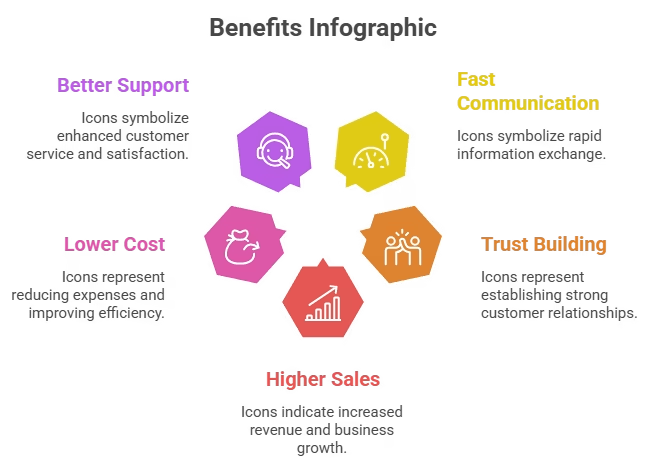
Key Telecalling Metrics & KPIs to Track
To measure and improve telecalling performance, businesses track the following key metrics:
- Call Volume : Total number of calls made or received per day or week.
- Call Connect Rate : Percentage of calls that are answered by the customer.
- Conversion Rate : Percentage of calls that result in a sale, booking, or desired action.
- Average Call Duration : Average length of each call, indicating engagement level.
- First Call Resolution (FCR) : Percentage of customer issues resolved on the first call.
- Follow-Up Rate : Percentage of leads or customers contacted again after the initial call.
Tracking these KPIs helps telecalling teams identify strengths, improve scripts, and optimize call timing.
Everyday Use Cases of Telecalling
The everyday use cases of telecalling include:
Sales and Lead Conversion
Telecalling is widely used to convert leads into paying customers. Sales teams call people who show interest and guide them toward a purchase.
Customer Support and Helpdesk
Many businesses use telecalling to help customers solve issues, understand services, or make changes to orders.
Appointment Booking
Doctors, consultants, and service providers use telecalling to book appointments and reminders.
Payment Follow-Ups
Telecalling helps remind customers about pending payments politely and professionally.
Feedback and Surveys
Companies collect honest feedback through telecalling as people share more on calls than in forms.
Telecalling Skills Every Successful Telecaller Needs
Strong telecalling skills make a huge difference between an average call and a great one.
Clear and Confident Communication
Telecallers must speak clearly and confidently without sounding rude or robotic.
Good Listening Skills
Listening is as essential as talking. Understanding customer needs leads to better solutions.
Patience and Politeness
Not every call goes smoothly. Patience helps handle rejection and difficult conversations.
Basic Product Knowledge
Telecallers must know the product or service well to answer questions correctly.
Problem-Solving Ability
Customers often call with issues. A calm and helpful approach builds trust.
Challenges Faced in Telecalling and How to Handle Them
Telecalling is effective, but it also has challenges.
Call Rejections
Not everyone wants to talk. Telecallers should stay calm and move on politely.
Low Answer Rates
Many calls go unanswered. Using the right time and tools improves results.
Managing Call Data
Tracking leads, follow-ups, and call history can be complex without proper systems.
It is where innovative CRM tools help manage telecalling work better.
How Telecalling Services Have Evolved Over Time
Earlier, telecalling was done using basic phones and notebooks. Today, telecalling services use technology to improve productivity.
Modern telecalling includes:
- CRM integration
- Call recording
- Lead tracking
- Auto-dialling
- Performance reports
These tools help businesses make more calls, track results, and improve customer experience.
Role of CRM in Modern Telecalling
CRM software plays a significant role in managing telecalling work smoothly.
A good CRM helps by:
- Storing customer details
- Tracking call history
- Setting reminders for follow-ups
- Analysing call performance
It makes telecalling organised, efficient, and scalable.
How Runo.ai Supports Modern Telecalling
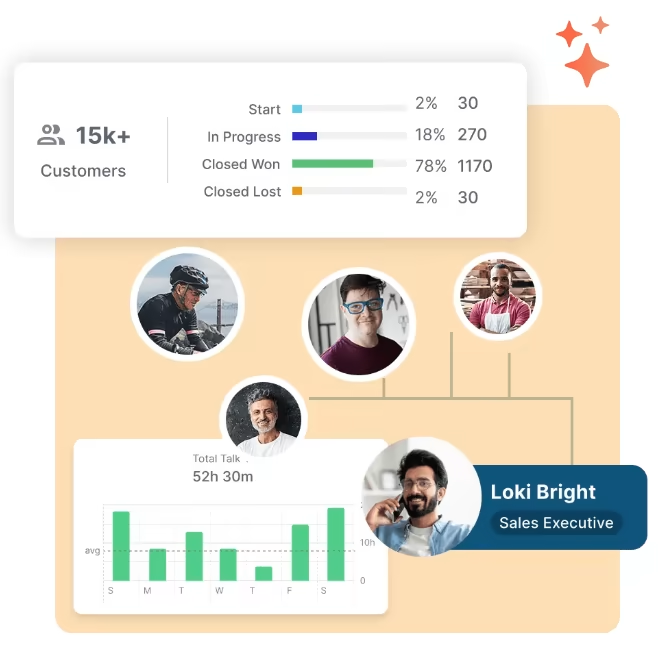
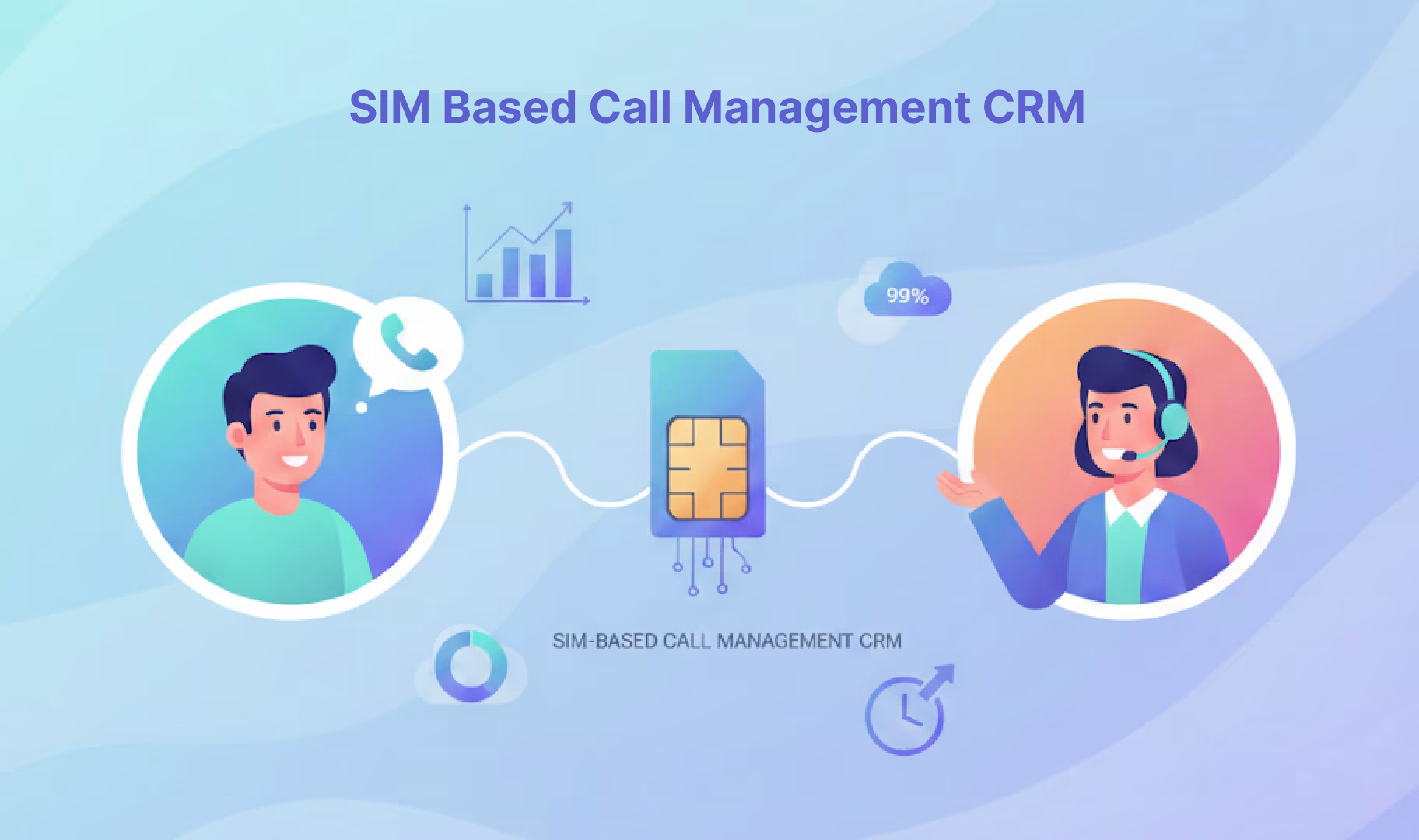
Runo was initially built as a SIM-based call management system. It tracks, records, audits, and manages all calls made using real SIM numbers at the GSM level.
It gives businesses a higher call pickup ratio because customers see real mobile numbers.
Runo does not replace SIM cards. It manages and tracks calls made from them.
Runo.ai Adding Cloud Telephony
Runo is now adding cloud telephony within the same platform. Users will be able to switch between:
- SIM-based calling using real mobile numbers.
- Cloud-based calling using virtual numbers.
A toggle inside the Runo app allows users to choose the calling mode.
Cloud telephony helps with:
- Easy scaling without new SIM cards.
- No KYC dependency for adding numbers.
- Calling from laptops or desktops.
Runo’s Cloud Telephony Advantage
Unlike traditional cloud telephony systems that display landline numbers, Runo’s cloud telephony will display virtual mobile numbers.
It means customers see a mobile number even when calls are made from laptops using internet-based calling.
It improves trust and call pickup rates.
Real-Life Telecalling Examples
The real-life tellecalling examples are:
Example 1: Real Estate Company
A real estate firm uses telecalling to follow up with website enquiries. Telecallers explain property details and book site visits.
Example 2: Education Institute
An institute uses telecalling to guide students about courses, fees, and admission deadlines.
Example 3: E-commerce Support Team
An online store uses telecalling to handle order issues, returns, and delivery updates.
These examples show how flexible telecalling can be across industries.
Telecalling vs Other Communication Methods
Telecalling has advantages over emails and chats.
- Faster response than email
- More personal than chat
- Better for complex discussions
- Higher trust compared to messages
That is why telecalling remains a core part of business communication.
Future of Telecalling in Businesses
Telecalling is not going away. It is becoming smarter with AI and CRM tools.
Future trends include:
- AI call insights
- Better call analytics
- Automated follow-ups
- Stronger data security
Businesses that combine human conversations with innovative tools will get the best results.
Final Thoughts on What Is Telecalling
Understanding what telecalling is today means understanding how technology supports human conversations. Telecalling is no longer just about making calls. It is about using the correct calling method for the right business need.
By combining SIM-based call management and cloud telephony in one platform, Runo helps businesses stay flexible, compliant, and customer-friendly.
To know more, explore the Runo expert blog section!
FAQs about What is Telecalling
1. What is telecalling, and how does it work?
Telecalling today involves speaking with customers over phone calls using modern calling systems like cloud telephony and SIM-based call management. Businesses use telecalling to sell products, support customers, follow up on leads, and build trust through direct conversations.
2. What is the difference between cloud telephony and SIM-based call management in telecalling?
To understand what telecalling is clearly, it is essential to know the difference. Cloud telephony works over the internet and usually displays landline series numbers, while SIM-based call management works on GSM networks and displays real mobile numbers, which often results in higher call pickup rates.
3. What is telecalling work for sales and support teams?
Telecalling work includes making outbound sales calls, handling inbound customer queries, following up on leads, booking appointments, and resolving fundamental issues. Telecalling teams use CRM tools to track calls and improve performance.
4. What skills are required to succeed in telecalling?
Understanding what telecalling is also means knowing the required skills. Clear communication, active listening, patience, product knowledge, and problem-solving skills are essential to handle calls confidently and professionally.
5. What is telecalling’s role in modern businesses using CRM tools?
Telecalling in modern businesses goes beyond simple calling. With CRM tools like Runo.ai, telecalling includes call tracking, recording, follow-ups, and performance insights, helping businesses improve productivity and customer trust.