

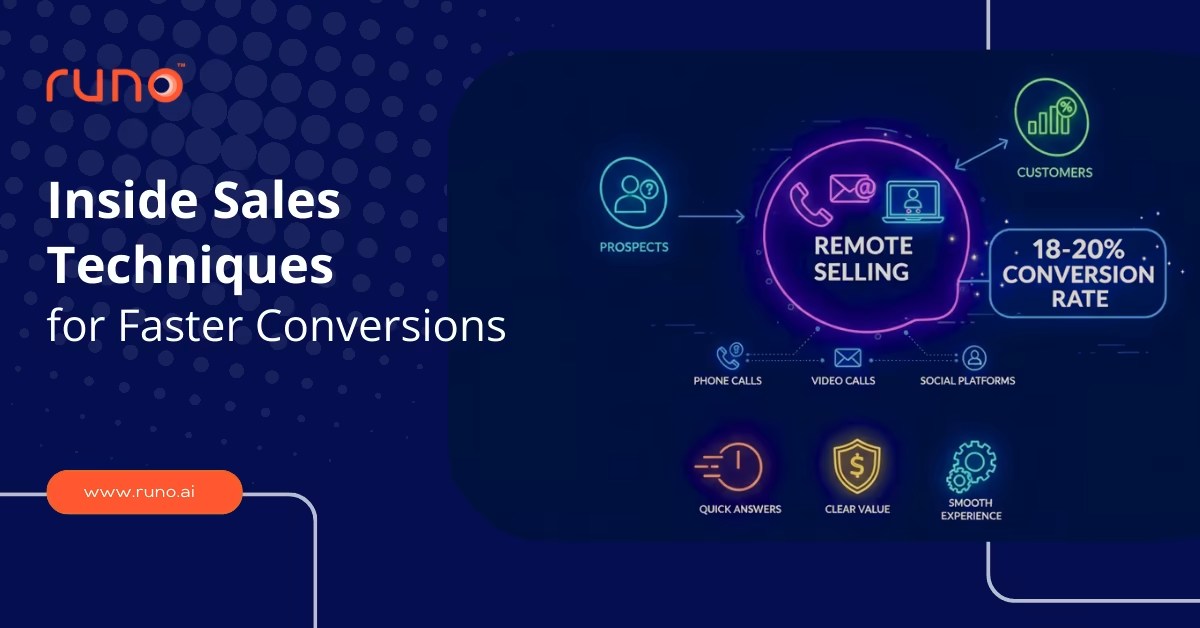
Inside sales techniques are remote selling methods that enable sales teams to connect with prospects and close deals via phone, email, video calls, and digital platforms without in-person meetings. These techniques include prospecting, lead qualification, active listening, objection handling, and strategic follow-ups. When applied correctly, they help teams achieve conversion rates of 18-20% and significantly shorten sales cycles.
This informative blog breaks down proven inside sales techniques and strategies that help teams convert leads quickly and consistently. The approach follows the same practical flow used by top-performing sales teams and trusted industry references, while keeping the language clear, simple, and easy to follow.
What Are Inside Sales Techniques and Why Do They Matter?
Inside sales techniques are the methods sales teams use to sell products or services remotely. It usually happens over phone calls, emails, video calls, and social platforms instead of face-to-face meetings.
According to recent sales research, inside sales teams achieve an average lead conversion rate of around 18% to 20% , which highlights how effective remote selling can be at turning prospects into customers.
The above mentioned research shows why inside sales techniques matter because buyers today expect quick answers, clear value, and a smooth experience. In fact, inside sales roles have grown by 34% year-over-year , according to LinkedIn’s Emerging Jobs Report, reflecting the shift toward remote selling. Additionally, companies that adopt inside sales models report 40-50% lower customer acquisition costs compared to traditional field sales. If your sales team struggles with slow follow-ups or weak conversations, conversions drop fast.
Strong inside sales methodologies and CRM best practices help you:
- Reach more leads in less time.
- Build trust without meeting in person.
- Shorten the sales cycle.
- Improve close rates with better conversations.
Understanding the Modern Inside Sales Funnel
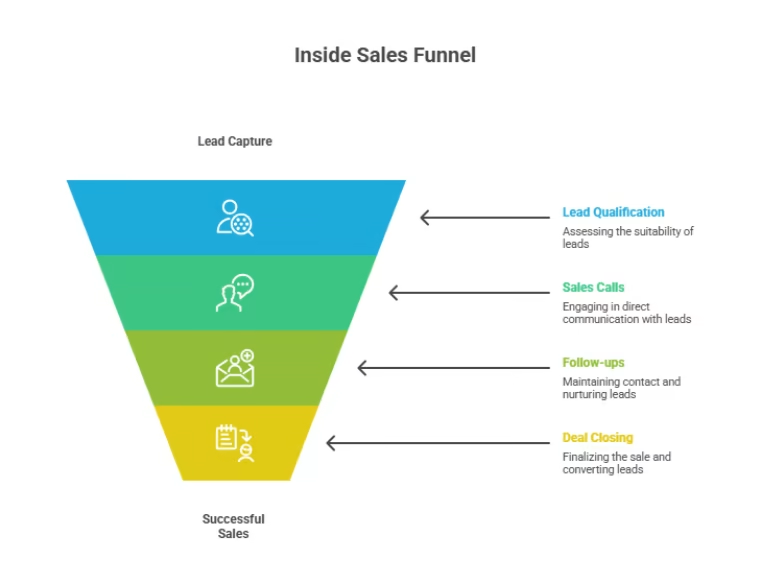
Before using advanced inside sales prospecting techniques , it is essential to understand how the modern sales funnel works.
Most inside sales funnels have four clear stages:
- Lead capture from multiple channels.
- Lead qualification and prioritisation.
- Sales conversations and follow-ups.
- Closing and post-sale nurturing.
Each stage needs its own set of focused actions. Treating every lead the same often leads to wasted time and missed deals.
Inside Sales Prospecting Techniques That Actually Work
Prospecting is where most inside sales efforts succeed or fail. The right inside sales prospecting techniques help sales reps focus on leads that are most likely to convert.
Three Core Prospecting Strategies
Focus on High-Intent Leads First: Not all leads are ready to buy. High-intent leads show clear buying signals such as requesting a demo, filling in pricing or contact forms, or asking detailed product questions. Prioritizing these leads first increases the chances of faster conversions.
Use Multi-Channel Outreach: Relying only on calls no longer works. Strong prospecting combines phone calls, emails, LinkedIn messages, and WhatsApp or SMS. It keeps your brand visible and increases response rates.
Personalize the First Touch: Generic messages get ignored. Even a small personal detail can make a big difference, such as referring to the lead's industry, mentioning a known pain point, or acknowledging a recent action they took. Personal touches build trust from the first interaction.
Inside Sales Lead Techniques to Qualify Faster
Qualification saves time for both the buyer and the sales rep. Effective inside sales lead techniques help teams focus only on serious prospects.
Ask the Right Questions Early
Strong qualification starts with simple questions:
- What problem are you trying to solve?
- Who is involved in the buying decision?
- What timeline are you working with?
These questions help you understand if the lead is a good fit.
Use a Simple Lead Scoring System
Lead scoring ranks prospects based on behaviour and interest. You can score leads based on:
- Website visits
- Email replies
- Call duration
- Demo attendance
Higher scores mean higher priority for follow-ups.
Disqualify Without Fear
Not every lead will convert, and that is okay. Letting go of poor-fit leads allows your team to focus on better opportunities.
Inside Sales Techniques for Better Sales Conversations
Once a lead is qualified, the real work begins. These inside sales techniques and strategies focus on creating meaningful conversations that move deals forward.
Lead With Value, Not a Pitch
Buyers do not want long sales speeches. Start conversations by:
- Addressing a known pain point.
- Sharing a quick insight or tip.
- Asking a thoughtful question.
This approach feels helpful, not pushy.
Practice Active Listening
Many deals are lost because sales reps talk too much. Active listening means:
- Letting the prospect speak freely.
- Not interrupting.
- Responding to what they say, not what you planned to say.
When prospects feel heard, trust grows faster.
Handle Objections Calmly and Clearly
Objections are normal. Common ones include price, timing, or comparison with competitors. The key is to:
- Acknowledge the concern.
- Ask a clarifying question.
- Respond with facts and examples.
Avoid arguing or sounding defensive.
Inside Sales Closing Techniques That Work
Closing is where many inside sales reps struggle, but mastering a few proven inside sales closing techniques can significantly boost your win rate.
Trial Close : Before asking for the final commitment, test the waters with questions like, “Does this solution address your main concerns?” or “How does this timeline work for your team?” This gauges readiness and surfaces any remaining objections.
Assumptive Close : Act as if the prospect has already decided to move forward. Use language like, “I’ll get the contract sent over today,” or “Let’s schedule your onboarding call for next week.” This subtle confidence can nudge hesitant buyers toward a decision.
Urgency Close : Create a sense of urgency without being pushy. Mention limited-time discounts, upcoming price increases, or the risk of delayed implementation. For example, “If we start this month, you’ll see results before Q2 ends.”
Summary Close : Recap the key benefits and agreed-upon points before asking for the sale. This reinforces value and reminds the prospect why they engaged in the first place.
The best closers listen carefully, address concerns directly, and confidently guide prospects to the next step.
Follow-Up Inside Sales Techniques That Increase Conversions
Most conversions happen after multiple follow-ups. Clever inside sales techniques make follow-ups helpful instead of annoying.
Follow Up With a Clear Purpose
Every follow-up should have a reason, such as:
- Sharing additional information.
- Answering a question.
- Confirming next steps.
Avoid messages that only ask, “Just checking in.”
Use Call Summaries and Action Points
After each call, send a summary with:
- Key discussion points.
- Agreed actions.
- Next call or demo date.
It keeps both sides aligned.
Time Your Follow-Ups Well
Following up too soon feels pushy. Waiting too long feels careless. A simple rule is:
- Same-day follow-up after calls.
- Two to three days after emails.
- Weekly check-ins for longer deals.
Essential Tools and Technology for Inside Sales
The right technology stack can dramatically improve inside sales performance and efficiency. Modern inside sales teams rely on a combination of tools to automate repetitive tasks, track performance, and engage prospects effectively.
CRM Platforms
Customer Relationship Management (CRM) systems are the backbone of inside sales operations. Tools like Salesforce, HubSpot, and Pipedrive help teams organize contacts, track deal stages, and maintain complete visibility into the sales pipeline. A good CRM automatically logs calls, emails, and meetings, ensuring no lead falls through the cracks.
Sales Engagement Platforms
Sales engagement tools like Outreach, SalesLoft, and Apollo automate multi-channel outreach sequences. These platforms allow reps to schedule emails, calls, and LinkedIn messages in coordinated campaigns, increasing touchpoints without manual effort. They also provide analytics on open rates, reply rates, and optimal contact times.
Call Tracking and Recording Software
Call intelligence tools such as Gong, Chorus, and ExecVision record and analyze sales conversations. They identify successful talk patterns, flag objections, and provide coaching insights. Many platforms use AI to score calls and highlight moments where reps excel or need improvement.
Email Automation and Tracking
Email tools like Yesware, Mailshake, and Lemlist enable personalized email campaigns at scale. They track opens, clicks, and replies in real-time, allowing reps to prioritize hot leads. Templates and A/B testing features help optimize messaging for higher response rates.
Video Conferencing and Demo Tools
With remote selling as the norm, video platforms like Zoom, Microsoft Teams, and Loom are essential. Screen-sharing and recording capabilities make product demos more engaging and allow prospects to review presentations later. Some teams also use interactive demo software like Walnut or Demostack to create personalized, clickable product experiences.
Investing in the right tools not only saves time but also provides the data needed to continuously refine your inside sales techniques and strategies.
Inside Sales Management Techniques for Team Success
Managing an inside sales team requires a different approach than traditional field sales. Effective inside sales management techniques focus on coaching, accountability, and data-driven decision-making.
Set Clear KPIs and Expectations
Define specific metrics for your team, such as:
- Number of calls per day
- Email response rates
- Meetings booked per week
- Conversion rates by stage
- Average deal size
Transparent goals keep reps focused and make performance reviews objective.
Provide Regular Coaching and Feedback
Schedule weekly one-on-ones to review call recordings, discuss challenges, and celebrate wins. Use real examples from recorded calls to highlight what works and what needs improvement. Coaching should be constructive, specific, and action-oriented.
Implement a Structured Onboarding Process
New hires need more than product training. Create a 30-60-90 day onboarding plan that includes:
- Shadowing top performers
- Role-playing common scenarios
- Gradual ramp-up of lead volume
- Regular check-ins and feedback loops
Foster Healthy Competition
Leaderboards, contests, and incentives can motivate teams-but balance competition with collaboration. Encourage top performers to share their strategies and mentor newer reps.
Use Technology to Monitor and Support
Leverage CRM dashboards and sales analytics tools to identify bottlenecks, track activity levels, and spot coaching opportunities. Automated reporting saves time and ensures managers have real-time visibility into team performance.
Strong inside sales management techniques create a culture of continuous improvement, accountability, and high performance.
Using Data to Improve Inside Sales Techniques and Strategies
Data helps inside sales teams improve with clarity instead of guesswork.
Track Call Performance
Useful call metrics include:
- Call connection rates.
- Call duration.
- Talk-to-listen ratio.
These insights show what works and what needs fixing.
Review Conversion Stages Regularly
Check where leads drop off most often. It helps you:
- Improve scripts.
- Adjust qualification questions.
- Fix follow-up gaps.
Small changes here can boost conversions quickly.
Role of Technology in Scaling Inside Sales Lead Techniques
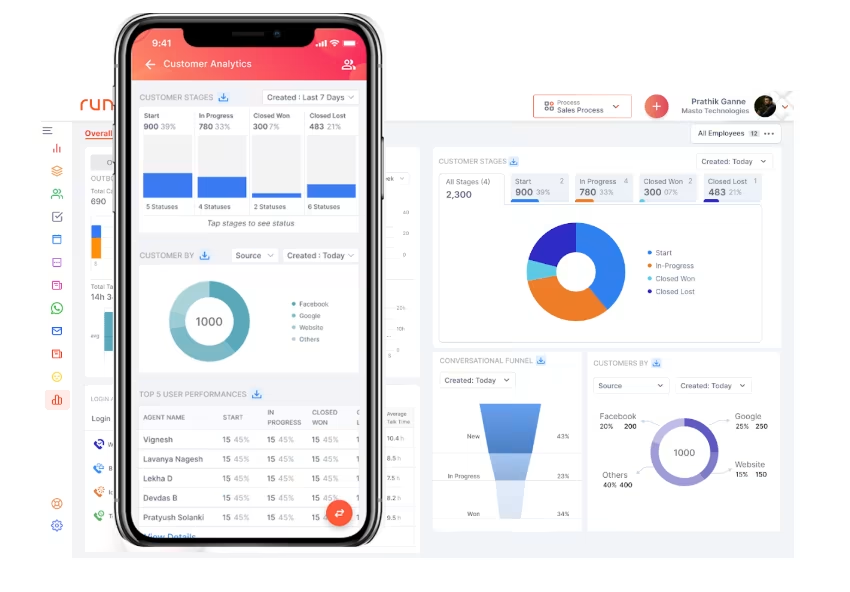
Modern inside sales cannot scale without the right tools. Technology supports inside sales lead techniques by removing manual work and improving focus.
Centralise All Lead Sources
Leads often come from:
- Website forms
- Ads
- Marketplaces
- Referrals
Managing them in one place prevents missed follow-ups.
Automate Call Tracking and Logging
Manual call notes waste time and lead to errors. Automation ensures:
- Every call is logged.
- Follow-ups are tracked.
- Performance data is accurate.
It allows sales reps to spend more time selling.
How Runo Supports Faster Inside Sales Conversions
Runo is an AI-powered, SIM-based call management CRM built for inside sales teams that want speed, clarity, and trust on every call.
Runo helps sales teams:
- Double the productivity in just two weeks.
- Manage calls from multiple lead sources in one place.
- Integrate easily with existing CRMs and tools.
- Track call performance without manual effort.
With Runo, inside sales reps spend less time managing data and more time closing deals. It is trusted by over 3500 businesses and recognised globally as an Indian MSME of the Year in Sales Tech.
You can start with a 10-day free trial with no credit card required.
Common Mistakes to Avoid in Inside Sales Techniques
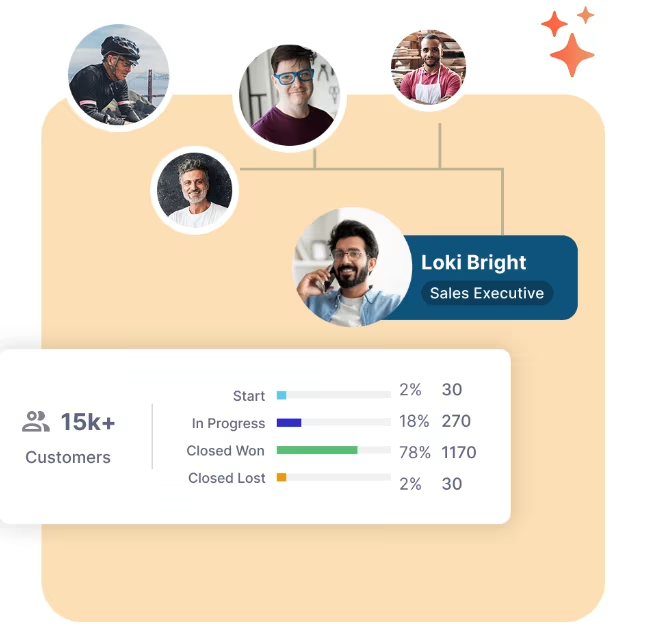
Even strong teams make mistakes that slow conversions.
Some common ones include:
- Calling leads without preparation.
- Using the same script for everyone.
- Delaying follow-ups.
- Ignoring call data and insights.
Avoiding these mistakes improves both speed and success rates.
Building a Winning Inside Sales Process
To succeed with inside sales techniques and strategies , consistency matters more than shortcuts.
A strong process includes:
- Clear prospecting steps.
- Simple qualification rules.
- Value-driven conversations.
- Timely follow-ups.
- Regular performance reviews.
When everyone follows the same system, results improve faster.
In Closing
Inside sales success is not about working longer hours. It is about using the right inside sales techniques , asking better questions, and having more intelligent conversations. When prospecting, qualification, follow-ups, and technology work together, conversions happen faster and with less effort.
By applying these proven inside sales prospecting techniques and inside sales lead techniques , teams can build trust, shorten sales cycles, and predictably close more deals. The key is to stay human, stay helpful, and stay consistent.
To know more, explore the Runo expert blog section!
FAQs
1. What are inside sales techniques?
Inside sales techniques are methods used by sales teams to sell products or services remotely. It includes phone calls, emails, video meetings, and online messages instead of face-to-face meetings. The goal is to connect faster, qualify leads better, and close deals efficiently.
2. How are inside sales techniques and strategies different from field sales?
Inside sales techniques and strategies focus on remote selling using digital tools and calls. Field sales usually involve in-person meetings and travel. Inside sales is faster, costs less, and works well for high-volume or tech-driven businesses.
3. Which inside sales prospecting techniques give the best results?
The most effective inside sales prospecting techniques include prioritising high-intent leads, using multiple outreach channels like calls and emails, and personalising the first message. These techniques help sales reps reach the right people at the right time.
4. Why are inside sales lead techniques essential for conversions?
Inside sales lead techniques help sales teams qualify leads early and avoid wasting time on poor-fit prospects. By asking the right questions and scoring leads properly, teams can focus on buyers who are more likely to convert.
5. How can technology improve inside sales techniques?
Technology improves inside sales techniques by automating call tracking, managing leads from different sources, and providing precise performance data. Tools like call management CRMs help sales reps save time, follow up better, and close deals faster.
6. How do you close deals using inside sales techniques?
Successful inside sales closing techniques include trial closes (testing readiness), assumptive closes (acting as if the deal is done), urgency closes (creating time-sensitive incentives), and summary closes (recapping value before asking for commitment).
7. What tools do inside sales teams use?
Inside sales teams rely on CRM platforms, sales engagement tools, call tracking software, email automation, and video conferencing tools.
8. How can inside sales management techniques improve team performance?
Effective inside sales management techniques include setting clear KPIs, providing regular coaching and feedback, implementing structured onboarding, fostering healthy competition, and using technology to monitor activity and identify coaching opportunities.
9. What is the average conversion rate for inside sales?
Inside sales teams achieve an average lead conversion rate of 18–20%, according to recent sales research. High-performing teams often exceed this benchmark by using data-driven strategies, consistent follow-ups, and optimized sales processes.