


The benefits of telecalling software include automated dialing, integrated CRM for centralized customer data, call recording and analytics, local presence dialing for higher answer rates, and real-time performance tracking all of which help sales teams increase productivity, improve conversion rates, and deliver personalized customer experiences.
Implementing an effective telemarketing process requires planning, scripting, training, and the right tools to execute and measure results. Telecalling software streamlines these workflows, combining traditional CRM capabilities with advanced call management features to help businesses scale outbound sales and customer engagement efficiently.
What is Telecalling Software?
Telecalling Software is a specialized software application from which telecallers manage & execute telecalling operations. Some Telecalling CRM Apps such as Runo Call Management App also have built-in CRM.
It combines the functionalities of traditional CRM with advanced call management features ,allowing businesses to effectively manage, track sales calls , and analyze customer interactions conducted through phone calls.
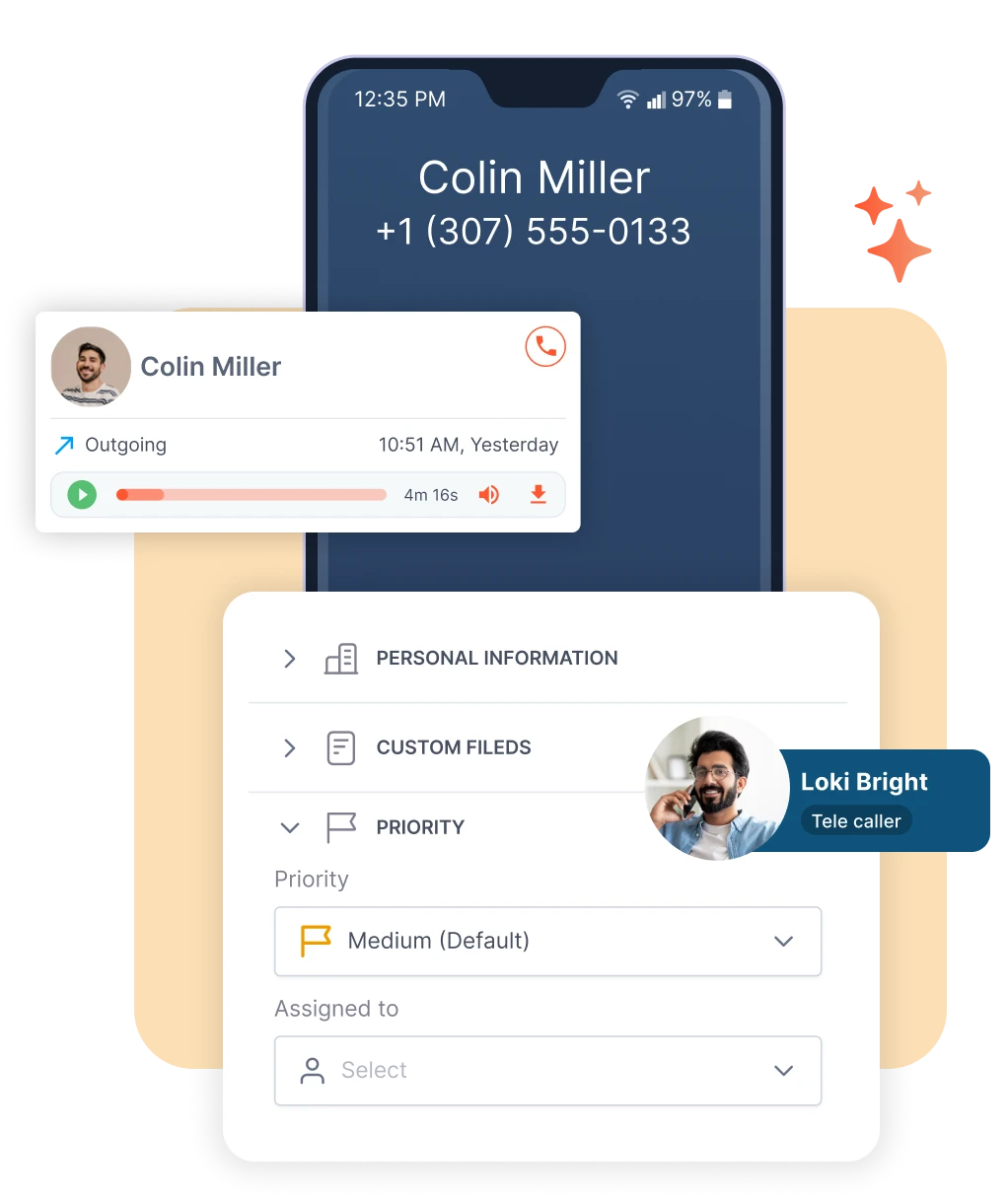
For example, an auto dialer feature eliminates the need for agents to manually dial each number, automatically connecting them to the next prospect as soon as they finish a call. Call recording captures every conversation for quality assurance and training, while real-time analytics dashboards show managers which agents are performing well and which leads are converting at the highest rates.
Telecalling software also supports multi-channel communication, enabling sales teams to follow up via SMS or email directly from the platform. This integrated approach ensures that no lead falls through the cracks and that every customer interaction is logged and accessible to the entire team.
Telecalling Software systems provide a centralized platform where businesses can store and access customer data, call history, and other relevant information. This enables customer service representatives and sales teams to have a comprehensive view of each customer’s journey, allowing for more personalized and efficient interactions.
There are a lot of benefits of Telecalling Software, and in this blog, we’ll take a look at what are the benefits they bring to a business.
Key Features of Telecalling Software
Modern telecalling software combines CRM capabilities with advanced calling features to help sales teams connect with more prospects and close deals faster. Here are the core features that define a robust telecalling platform:
Auto Dialer
An auto dialer automatically dials numbers from your contact list, eliminating manual dialing and reducing idle time between calls. Power dialers dial one number at a time as soon as an agent becomes available, while predictive dialers use algorithms to dial multiple numbers simultaneously, connecting agents only when a live person answers. According to industry benchmarks, auto dialers can increase agent talk time by 200–300% compared to manual dialing.
Call Recording and Monitoring
Call recording captures every customer conversation for quality assurance, compliance, and training purposes. Managers can listen to live calls, whisper coaching tips to agents without the customer hearing, or barge into calls when needed. Recorded calls also provide valuable data for sentiment analysis and performance reviews.
CRM Integration
Seamless integration with CRM platforms like Salesforce, HubSpot, Zoho, and Pipedrive ensures that all customer data, call logs, and interaction history are automatically synced. Agents can click-to-call directly from CRM records, view customer details during calls, and log notes without switching between systems.
Local Presence Dialing
Local presence (or local caller ID) displays a phone number with the same area code as the prospect being called. Studies show that answer rates increase by 40–80% when the caller ID matches the recipient’s local area code, as people are more likely to answer calls from familiar area codes.
Call Analytics and Reporting
Comprehensive dashboards track key performance indicators (KPIs) such as call volume, call duration, answer rates, conversion rates, and agent performance. Real-time analytics help managers identify bottlenecks, optimize call scripts, and replicate successful strategies across the team.
SMS and Email Integration
Multi-channel outreach capabilities allow agents to send follow-up SMS messages or emails directly from the telecalling platform. Automated drip campaigns can nurture leads who didn’t answer, keeping your brand top-of-mind until they’re ready to engage.
Voicemail Drop
When a call goes to voicemail, agents can instantly leave a pre-recorded message with one click instead of waiting through the greeting and manually recording a message. This feature saves 30–60 seconds per voicemail, adding up to hours of saved time per agent per week.
Call Scripting and Guided Workflows
Built-in call scripts and dynamic workflows guide agents through conversations, ensuring consistent messaging and compliance. Scripts can adapt based on customer responses, prompting agents with the right questions and objections handling at each stage of the call.
The Hidden Benefits of Telecalling Software You Can’t Ignore
From streamlining call management to boosting customer engagement, telecalling software delivers more than just efficient calling. It helps your team work smarter, close deals faster, and strengthen customer relationships. Here are the benefits for your business.
1. Increased Sales Conversions
A telecalling tool plays a crucial role to improve sales conversions. According to the 2024 Salesforce State of Sales Report, sales teams using integrated CRM and calling platforms see conversion rates improve by 25–30% on average. By leveraging comprehensive customer data and call analytics, sales representatives can identify leads with higher potential and prioritize their efforts accordingly.
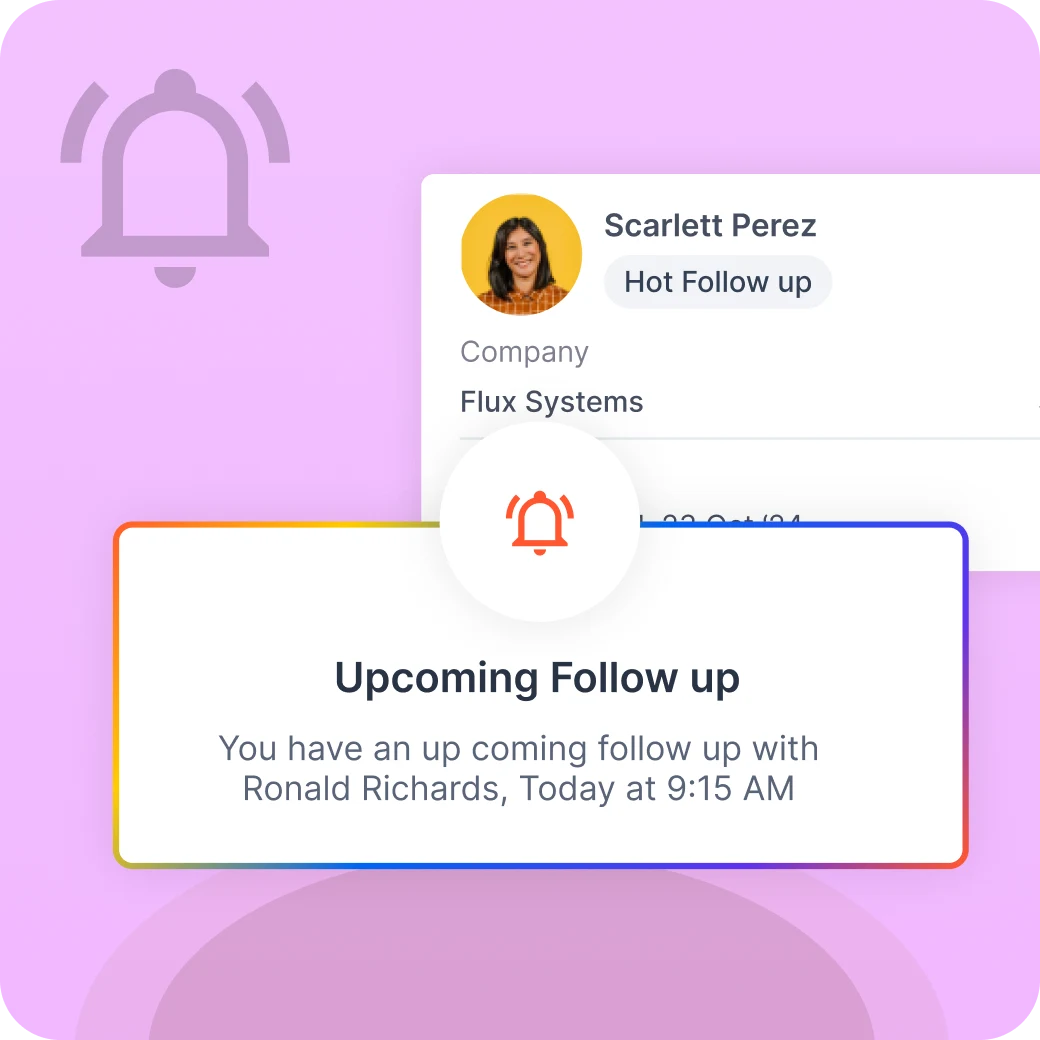
The CRM system also enables sales teams to track customer preferences, purchase behavior, and follow-up on leads, ensuring a more targeted and effective sales approach. This assists in improving conversion rates and increasing revenue for your business.
2. Enhanced Customer Service
Telecalling software empowers your sales team by providing them with access to relevant customer data during a call.
Telecalling executives can quickly view customer history, previous interactions, purchase details, and other essential information, allowing them to personalize conversations and provide a more tailored experience.
This level of personalization fosters stronger customer relationships and boosts customer satisfaction.
3. Effective Lead Management
Managing leads efficiently is a critical aspect of any sales process. Telecalling software facilitates lead management by providing lead tracking, follow-up reminders, and lead assignment features.
The CRM platform enables your team to capture and organize leads, track their progress through the sales funnel, and ensure timely follow-ups.
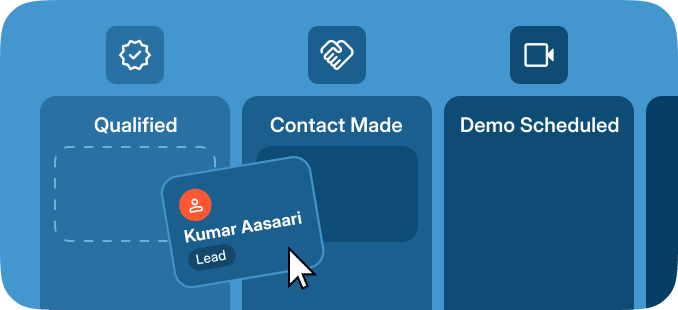
With a proper lead management app , you can maximize your sales opportunities and nurture leads more effectively.
4. Performance Analysis and Reporting
Performance Analysis & Reporting is the backbone of an Outbound Calling Service provider. Telecalling platforms offer advanced reporting and analytics capabilities that provide valuable insights into your team’s performance and overall business operations.
You can monitor key performance indicators (KPIs) such as call volume, call duration, conversion rates, and customer satisfaction metrics.
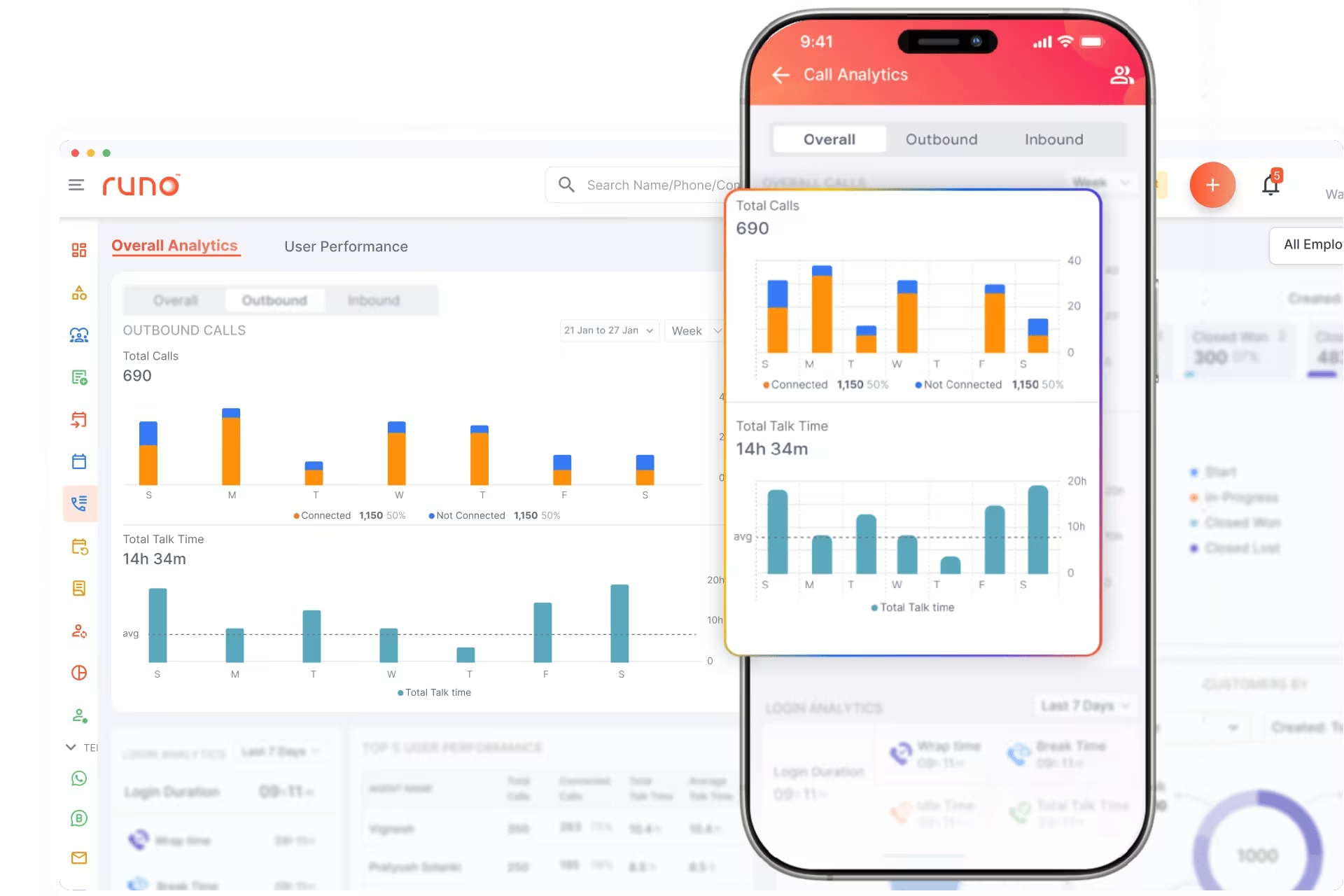
These insights help identify areas for improvement, optimize workflows, and make data-driven decisions to enhance productivity and customer experience.
5. Integration and Collaboration
Integration with other essential business tools like lead generation sources, and marketing automation platforms.
This integration promotes seamless collaboration between departments, ensuring a unified approach to customer communication.
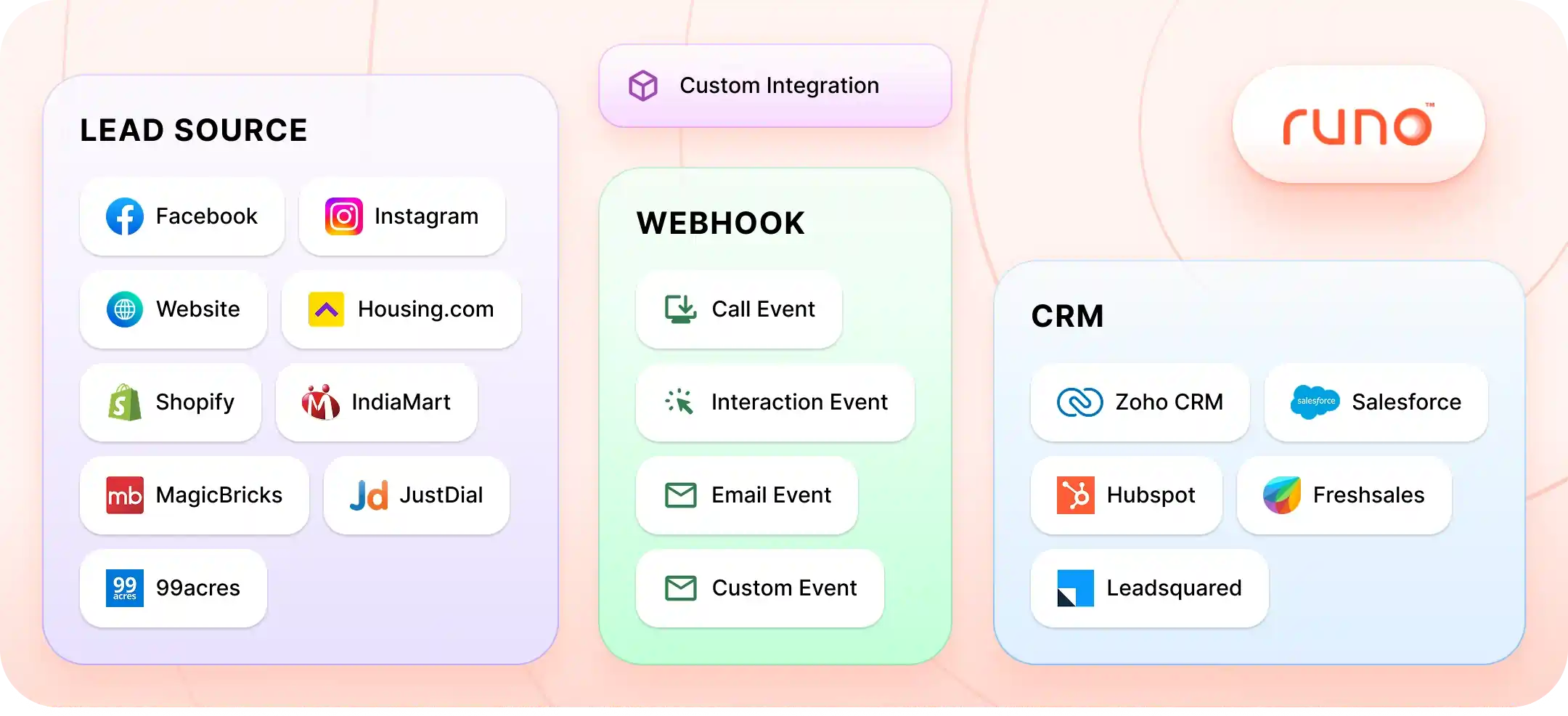
By synchronizing data and streamlining workflows, telecalling CRM enhances team efficiency, eliminates information silos, and provides a comprehensive view of customer interactions across various touchpoints.
6. Streamlined and Efficient Communication
Telecalling CRM platforms provide a centralized system to manage all sales telephonic interactions with customers.
By integrating call management features, call routing, auto dialer , and call recording capabilities , a telecalling CRM app can streamline communication processes.
This enables your sales & customer support teams to efficiently handle Outbound calls , resulting in improved productivity and reduced response times. Making the telecalling job easier than ever before.
Conclusion
By leveraging Telecalling app features one can significantly transform the way your business manages customer interactions and drives growth.
By streamlining communication, enhancing customer service, improving sales conversions, enabling effective lead management, offering performance analysis, and fostering integration and collaboration, telecalling CRM empowers your teams to deliver exceptional customer experiences.
Now that you know the benefits of telecalling CRM, here’s your chance to try out the best telecalling CRM free for 10 days.
Runo is a leading Call Management CRM that has revolutionized how businesses engage with customers. Runo manages calls at the SIM level, & helps in 2X your sales conversion in less than 30 Days.
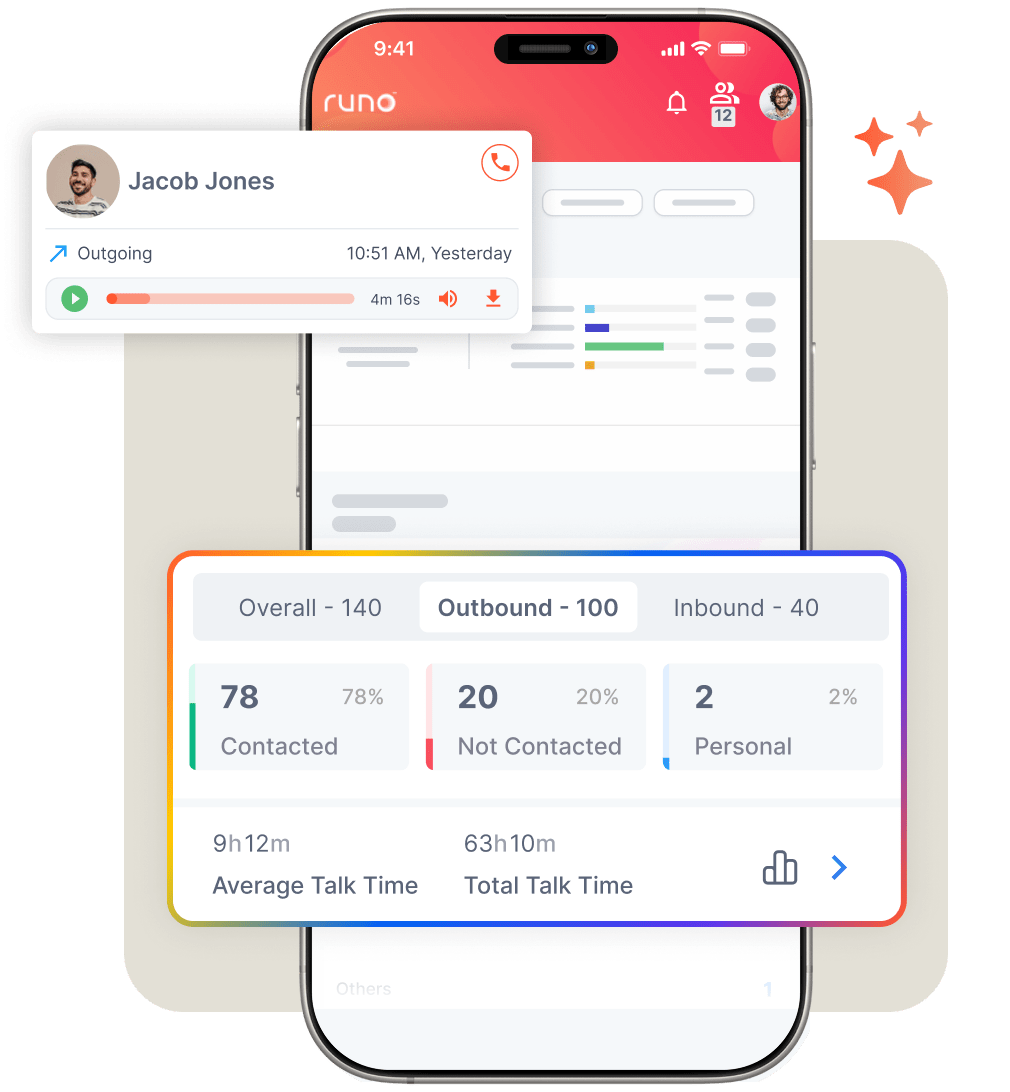
The call management CRM is super-easy to implement and is a user-friendly app. Customers of Runo have witnessed a contact ratio of more than 78%.
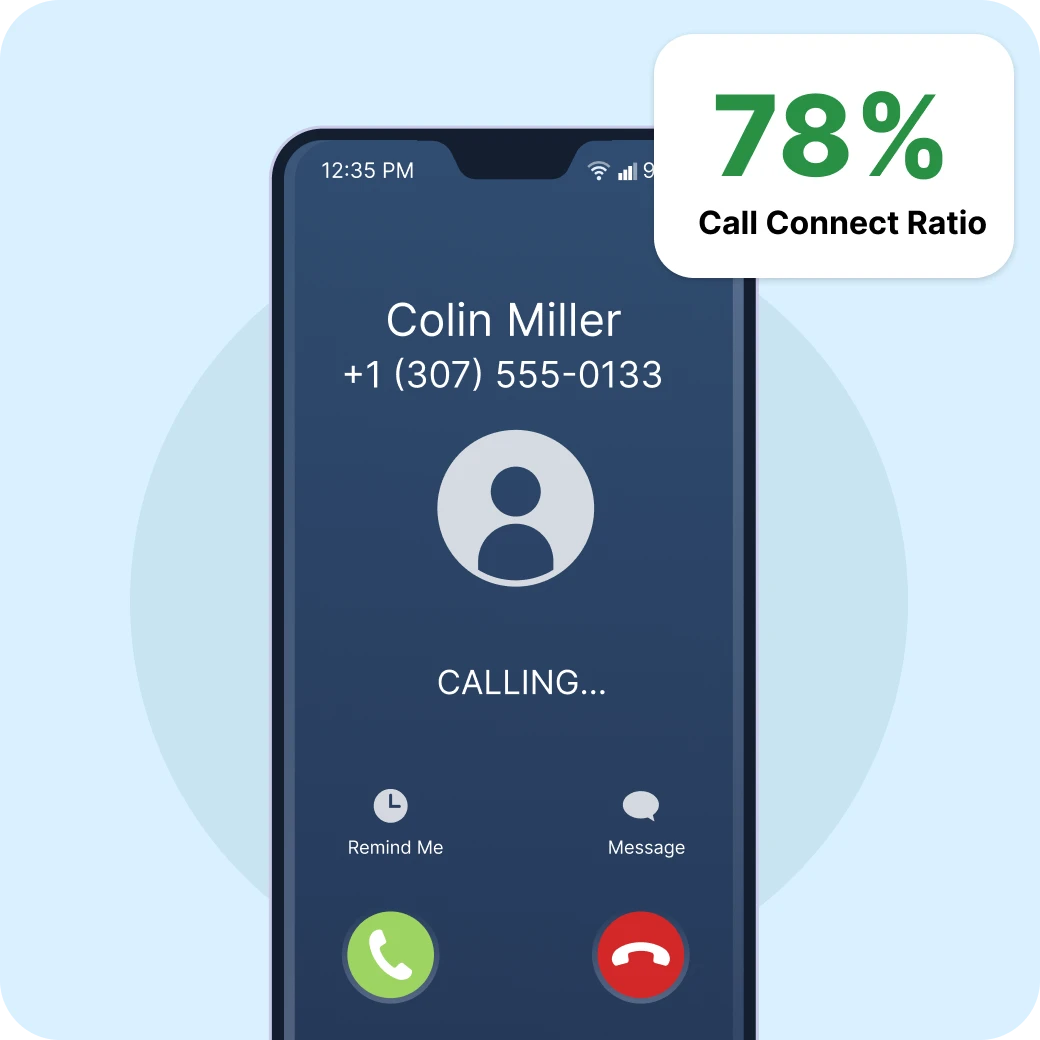
With its robust features, including call management, customer data integration, performance analytics, and seamless collaboration.
Runo empowers your teams to deliver personalized customer experiences and boost sales conversions. Don’t miss out on this opportunity to take your business to the next level.
Sign up for a free trial of Runo today!
Frequently Asked Questions
What is a telecalling job?
A telecalling job involves making or receiving phone calls to interact with customers or prospects. The purpose can vary, such as sales calls, customer support, market research, lead generation, or appointment scheduling.
Telecallers play a vital role in engaging with individuals over the phone to achieve specific business objectives.
What are the basic telecalling skills?
Basic telecalling skills include effective communication, active listening, empathy, clear articulation, and persuasive speaking. Additionally, having product knowledge, problem-solving abilities, and the ability to handle objections are essential for successful telecalling.
What are two ways of telemarketing?
Two common ways of telemarketing are inbound telemarketing and outbound telemarketing. Inbound telemarketing involves receiving incoming calls from customers in response to marketing efforts, while outbound telemarketing involves proactively reaching out to potential customers through outbound calling campaigns.
What is the difference between telesales and telemarketing?
Telesales refers specifically to selling products or services over the phone. It involves a direct sales approach, focusing on closing deals and generating revenue.
On the other hand, telemarketing encompasses a broader range of activities, including lead generation, market research, customer surveys, and relationship building.
Telemarketing aims to create awareness, generate interest, and establish connections with prospects and customers, not limited to immediate sales transactions.
What is the best software for call centers?
The best call center software depends on your business size, budget, and needs. Popular options include Runo for SMBs and startups needing SIM-based calling with high call connect rates, Freshdesk Contact Center for omnichannel support, and Zendesk Talk for teams using Zendesk.