

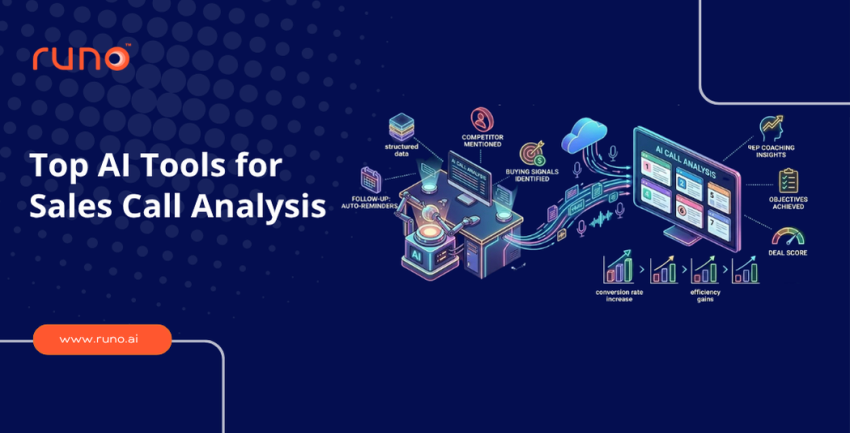
Most sales teams review less than 30% of their customer calls. The rest of the objections, buying signals, and rep mistakes go unnoticed every week.
The best AI tools for sales call analysis fix this by automatically recording, transcribing, and scoring every call without anyone having to listen manually. Managers get a full picture of what is happening across their team, based on real data rather than memory or spot checks.
This post covers ten of the best AI call analysis tools available right now, what each one does well, and who it is best suited for. In case you are evaluating your first AI call analysis tool or switching from one you have outgrown, the comparison below covers the full range.
What is AI Sales Call Analysis?
AI sales call analysis is software that automatically records, transcribes, and evaluates sales calls using artificial intelligence to extract insights such as sentiment, talk ratios, objections, compliance, and coaching opportunities-without manual review. These tools replace spot-checking and memory-based feedback with data-driven scoring and searchable transcripts across every conversation.
Core capabilities include:
- Automatic call recording and transcription with speaker labels AI-generated call summaries and sentiment analysis
- Quality scoring based on talk time, filler words, compliance, and custom criteria
- Keyword and topic detection (competitor mentions, objections, next steps)
- CRM integration and automated logging
- Team dashboards showing performance trends by agent and day
What Good Call Analytics AI Software Should Do
Before comparing tools, here is what any serious call analytics AI software should give you:
- Automatic recording and transcription with speaker labels
- A quality score per call is calculated by AI, not manually
- Sentiment tracking for both the agent and the customer
- Detection of talk time ratios, filler words, and loudness
- Compliance checks against your internal call standards
- Searchable transcripts with keyword filtering
- Team-level dashboards showing performance by agent and by day
How We Evaluated These AI Call Analysis Tools
Every tool on this list was assessed against the same five criteria, so the comparison reflects what actually matters for a sales team choosing between them rather than a simple feature checklist.
- We tested each tool with real, unscripted sales calls from telecalling, inside sales, and B2B teams, reviewed verified user ratings on G2, Capterra, and TrustRadius, and consulted with sales managers currently using these platforms. Our evaluation focused on five criteria:
- Accuracy of AI scoring and transcription against real, unscripted sales calls, not scripted demo calls
- How much manual setup is required per call, including whether a bot needs to join or whether recording happens automatically
- Depth of customization available for scoring criteria, compliance checks, and coaching parameters
- Pricing transparency, including whether a public starting price exists or a quote is required
- Fit for calling method, since SIM based, VoIP, and meeting based tools solve different problems
An Overview of Top AI Tools for Sales Call Analysis
| Tool | Best For | Call Type | Real-Time Coaching | Custom Scoring | Key Feature |
| Runo | Telecalling, mobile-first teams | SIM and cloud | Post-call | Yes | 78% SIM-based connect rate |
| Gong | Enterprise B2B revenue teams | VoIP and meetings | No | Limited | Deal risk and pipeline forecasting |
| Chorus | ZoomInfo GTM teams | VoIP and meetings | No | No | Account context from ZoomInfo data |
| Clari Copilot | Forecast-linked analysis | VoIP and meetings | Yes | Limited | Live battlecards during calls |
| Salesloft | Cadence-based outbound | VoIP and meetings | No | Limited | Call tied to cadence step |
| Avoma | Small teams, budget-friendly | VoIP and meetings | Yes | Yes | AI notes across Zoom, Meet, and phone |
| Revenue.io | Real-time in-call coaching | VoIP only | Yes | Yes | Live objection-handling prompts |
| JustCall | Calling and AI bundled together | VoIP | No | Limited | Native dialer plus AI in one system |
| Dialpad | AI included in base plan | VoIP | Yes | Limited | No separate charge for AI layer |
| CloudTalk | Global call quality | VoIP | No | No | Reliable calling across 50+ countries |
1. Runo: Best for High-Volume Mobile Sales and Telecalling Teams
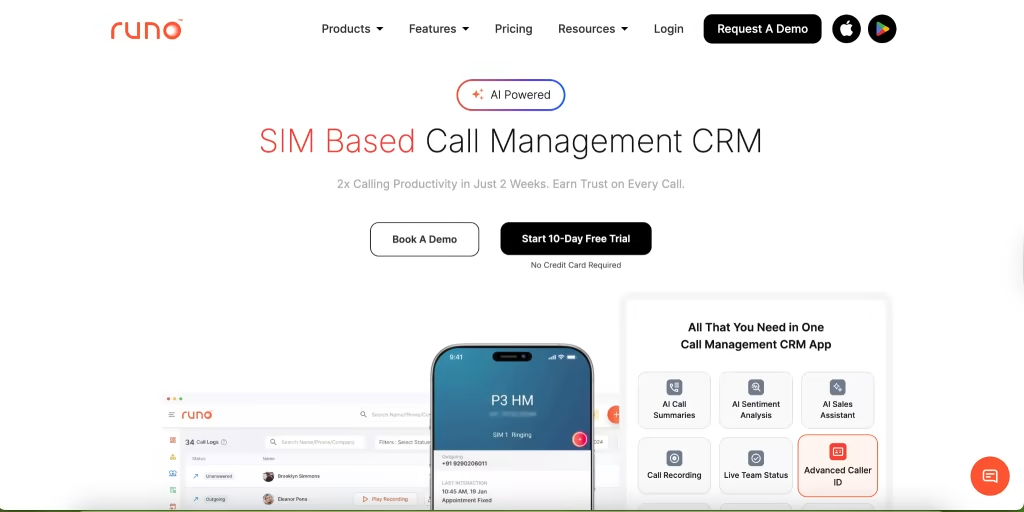
Runo is a SIM-based Call Management CRM with built-in AI call analysis. Unlike other tools on this list that work on top of VoIP or cloud telephony, Runo routes calls through the device’s actual SIM card, which gives it a 78% call connect rate compared to under 30% for cloud-based dialers.
Every call is automatically recorded and analyzed. No bot joins the call; no setup is required per session. Results are ready the moment the call ends.
Runo is particularly well-suited for sales teams in India, where SIM-based calling is the dominant method for high-volume outbound sales and telecalling operations. The platform supports multiple languages and offers pricing in INR, making it accessible for Indian SMBs and enterprises.
What the AI analyzes:
AI Call Summaries are generated automatically after every call, covering what was discussed, what the customer shared, and what was agreed upon. Agents do not write notes.
Sentiment analysis tracks the emotional tone of both the agent and the customer separately, assigning a positive, neutral, or negative score to each.
The Call Quality Score assigns every call a number out of 100, calculated from speaking time, compliance, filler words, sentiment, and conduct, without manual grading.
Parameters for compliance verify that the agent used appropriate language when introducing themselves, closing, handling objections, and avoiding slang. You can see which line of the transcript was used as evidence with each check.
Using the Custom AI Scorecard , supervisors can construct their own evaluation questions, specify the meaning of a yes/no response, allocate weights to the scores, and have these criteria automatically applied to all future calls. So, teams can avoid being stuck with generic defaults if they have specific scripts or internal requirements.
The Sales Call Tracking Software and Call Center Monitoring Software provide managers with a live dashboard that shows agent status, connection rates, today’s call totals, and AI insights in real time. All data exports to Google Sheets with every compliance column included.
Best for: Telecalling teams, inside sales, delivery operations, and mobile-first sales teams making high-volume outbound calls.
Also read: What is Call Analytics? Benefits, Features, and Key Metrics
Start a 10-day free trial , no credit card required.
2. Gong: Best for Enterprise Revenue Teams
The majority of business sales teams use Gong, an artificial intelligence call-tracking software. It records and analyzes all types of communication to reveal potential deal risks, opportunities for coaching, and the pipeline’s state.
Gong’s AI transcribes calls, tags key topics, action items, and risks, and makes everything searchable by rep, account, deal stage, or keyword. It is also among the most established AI call tracking software options for tracking deals across long enterprise sales cycles. According to Gong’s December 2025 State of Revenue AI report, sales teams using AI regularly generate 77% more revenue per representative than those that do not.
Key features: Call transcription and scoring, talk ratio tracking, competitor mention detection, deal risk alerts, and pipeline forecasting.
Limitation: The platform is built for enterprise VoIP and meeting-based sales teams and requires dedicated RevOps support to configure and unlock its full value. It is not designed for mobile-first or high-volume telecalling workflows.Gong does not publish pricing, but industry reports place per-user costs from roughly 1,360 to 1,600 dollars per year on top of a mandatory annual platform fee, making it one of the costlier options on this list.
Best for: Large B2B sales organizations with complex deal cycles.
3. Chorus by ZoomInfo: Best for Account-Level Call Intelligence
Chorus connects call recordings to ZoomInfo’s database of 500 million contacts and 100 million companies, giving teams account context alongside conversation data. The platform records calls, tracks objections, competitor mentions, and talk ratios, and auto-logs everything to Salesforce or HubSpot.
Key features: Call recording and transcription, deal risk scoring based on sentiment drops, competitive mention tracking, and CRM auto-logging.
Limitation: Transcription accuracy runs at 80 to 90%, and speaker misattribution in multi-person calls is a recurring complaint across G2, TrustRadius, and Capterra reviews. The platform also has a complex onboarding process that typically takes two to three months for full deployment. Chorus does not publish pricing publicly and requires a custom quote through ZoomInfo sales.
Best for: Revenue teams already using ZoomInfo for prospecting who want call intelligence connected to account data.
4. Clari Copilot: Best for Connecting Call Data to Forecasting
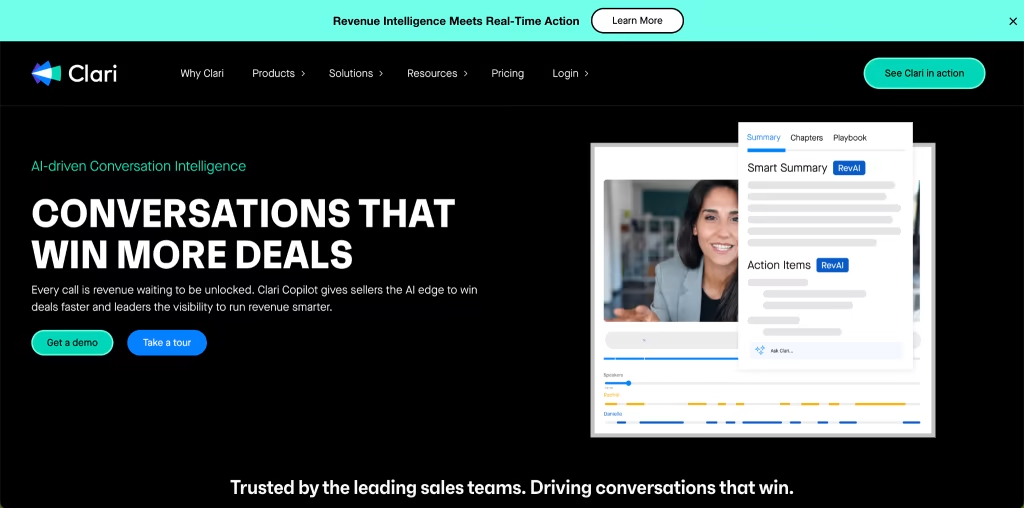
Clari Copilot connects conversation intelligence directly to pipeline forecasting. Managers can see which deals have budget confirmed, executive sponsorship, or objection risk based on what was actually said on calls, not what a rep entered into the CRM.
It also delivers real-time coaching during live calls. When a prospect mentions a competitor or raises a specific objection, a relevant talking point appears on the rep’s screen without interrupting the conversation.
Key features: Real-time battlecard delivery, deal risk detection from conversation patterns, talk time and sentiment tracking, and native Salesforce integration.
Limitation: Works best inside the full Clari ecosystem. As a standalone call analytics AI software , it is more complex than most teams need.
Best for: Mid-market to enterprise B2B teams that want call data tied directly to revenue forecasting.Pricing is not published and is bundled with a Clari platform subscription, so standalone cost estimates are not available.
5. Salesloft Conversations: Best for Teams Running Sales Cadences
Salesloft Conversations ties each recorded call back to the specific cadence step that generated it. Managers can filter by sequence step, deal stage, or outcome to identify where the sales process is breaking down.
Key features: Call recording tied to cadence activity, AI call scoring, moment detection for competitor and pricing mentions, coaching playlists, and CRM sync.
Limitation: Only useful if your team already runs outbound through Salesloft. It is not a standalone AI call analysis tool. Salesloft does not publish public pricing for Conversations; total cost depends on the broader Salesloft platform package a team selects.
Best for: SDR and AE teams running structured outbound sequences through Salesloft.
6. Avoma: Best for Smaller Teams on a Tighter Budget
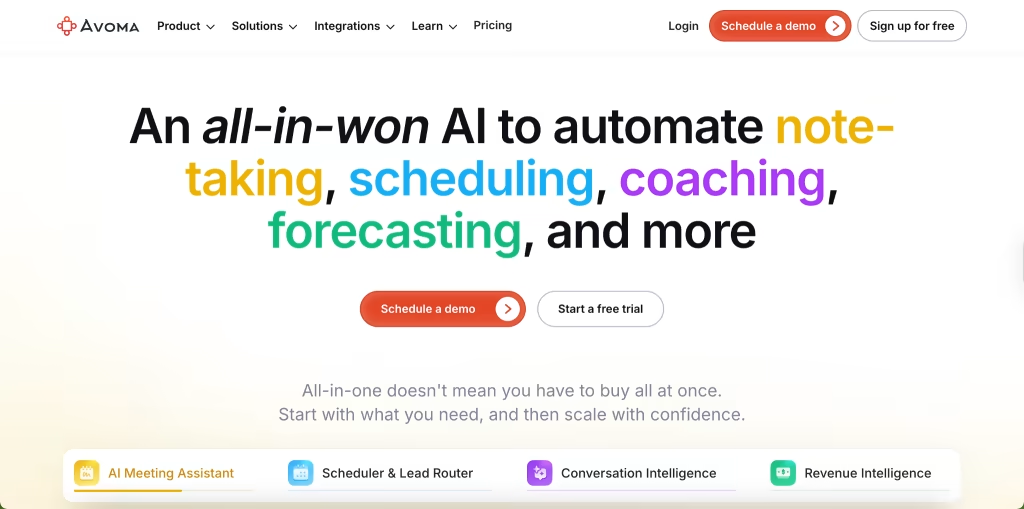
Avoma covers call recording, transcription, AI-generated notes, and coaching workflows at a price accessible to smaller teams. It works across Zoom, Google Meet, and phone calls.
Key features: AI-generated meeting notes with action items, talk time and filler word tracking, topic detection, coaching scorecards, and CRM logging to HubSpot and Salesforce.
Limitation: Less depth than Gong or Runo on compliance scoring and custom evaluation criteria. Not built for high-volume telecalling environments.
Best for: Small sales and customer success teams that need solid AI tools for sales call analysis without enterprise pricing.
7. Revenue.io: Best for Real-Time In-Call Coaching
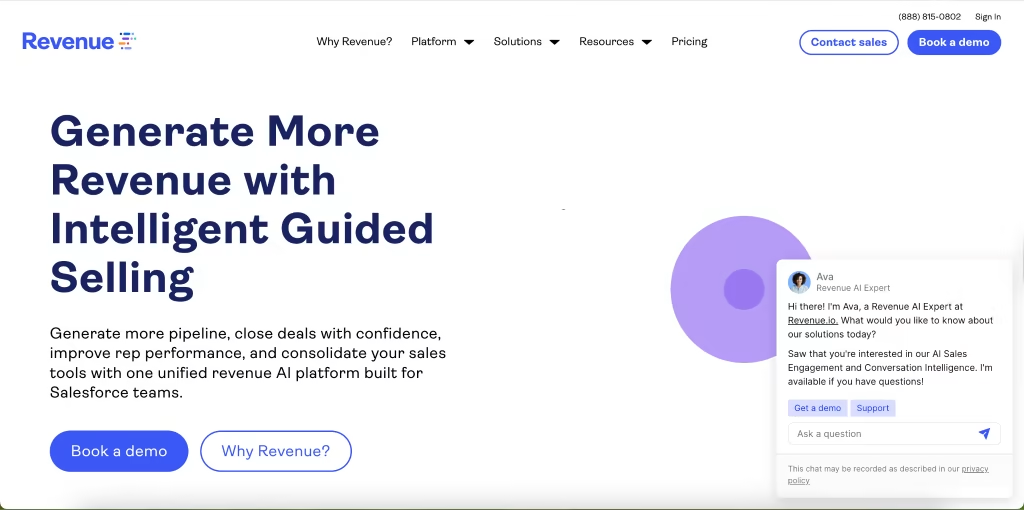
Revenue.io (formerly RingDNA) coaches reps during the call, not after it. The platform listens in real time and surfaces objection-handling prompts, talk-time alerts, and competitor response cards as the conversation unfolds.
Key features: Real-time coaching prompts during live calls, AI call scoring post-call, automated Salesforce logging, talk ratio alerts, and conversation trend reporting.
Limitation: Requires VoIP or softphone calls. Does not apply to SIM-based or mobile calling workflows.
Best for: Inside sales teams on VoIP that want live coaching support alongside post-call analysis.
8. JustCall: Best for Teams That Want Calling and AI Analysis in One Bundle
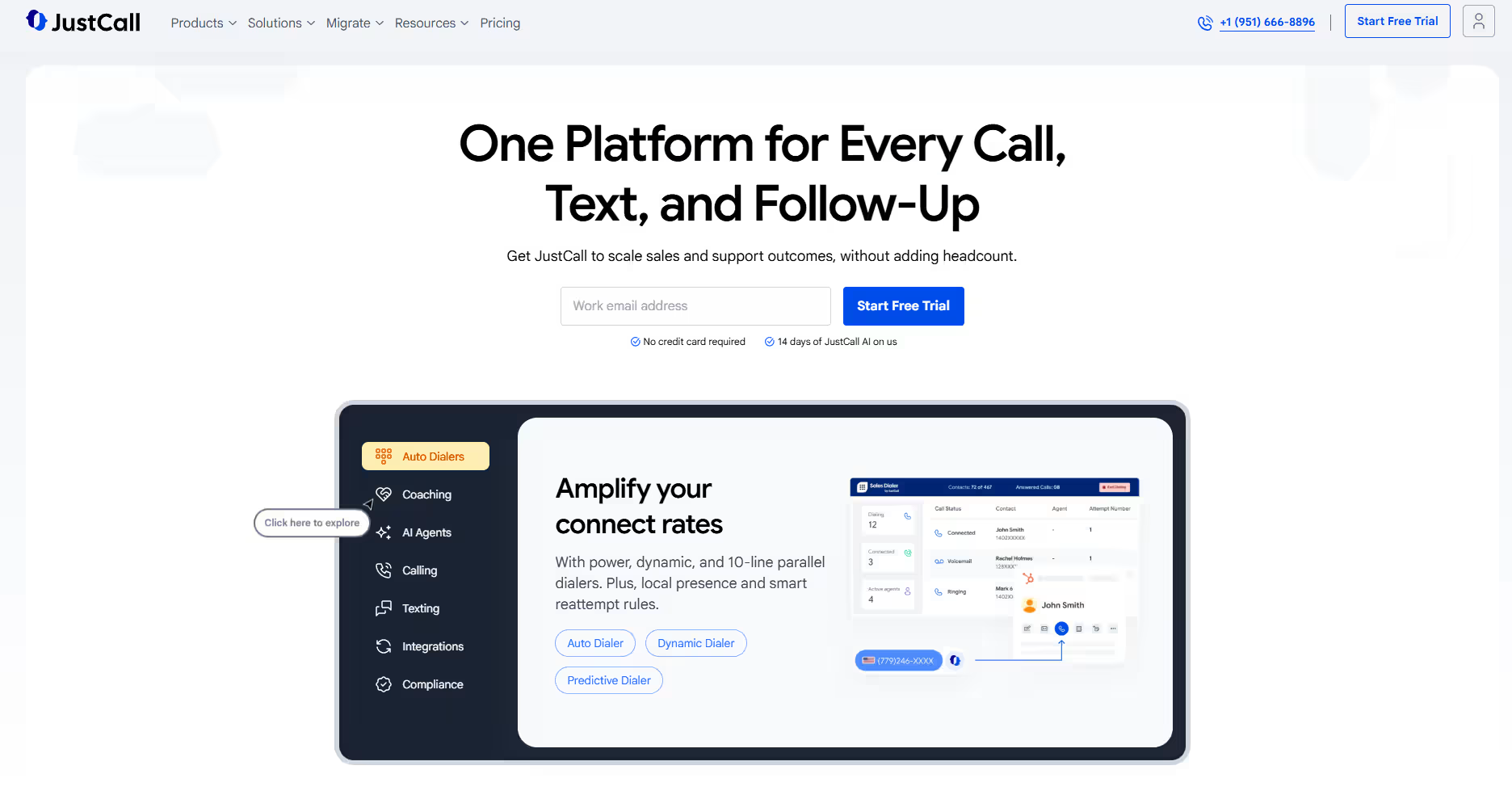
JustCall combines a cloud calling system with built in call recording, transcription, and AI generated summaries, so teams do not need to connect a separate call analytics tool on top of their dialer.
Key features: Call recording and transcription, AI call summaries, basic sentiment tagging, and CRM sync with Salesforce, HubSpot, and Zoho.
Limitation: AI analysis works best as an add on to the JustCall phone system rather than a standalone tool, and depth of scoring customization is lighter than Runo or Gong. Pricing is not published publicly and requires a quote.
Best for: Teams that want calling and AI call analysis bundled into one subscription instead of running two separate tools.
9. Dialpad: Best for Teams That Want AI Features Included in the Base Plan
Dialpad bundles AI transcription, real time coaching, and call scoring directly into its unified communications platform, without charging extra for the AI layer on most plans.
Key features: AI transcription, real time coaching prompts, call scoring, and multi channel communication across voice, SMS, and video.
Limitation: Built for VoIP and softphone calling, so it does not support SIM based mobile calling. Plans start at 15 dollars per user per month, though enterprise tiers with full AI depth cost more.
Best for: Teams that want AI call features included in the base subscription rather than as a paid add on.
10. CloudTalk: Best for Global Teams Prioritizing Call Quality
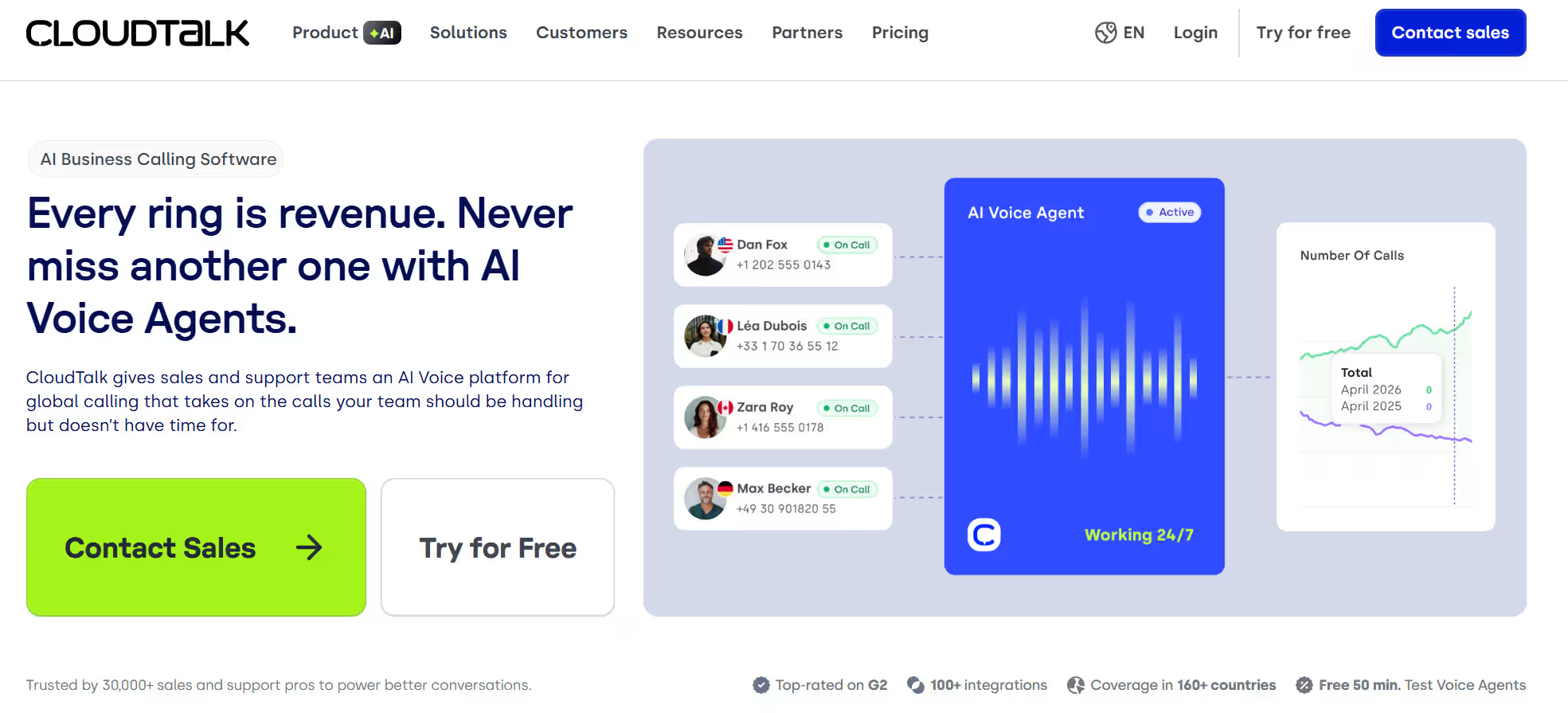
CloudTalk focuses on reliable call quality across more than 50 countries, with AI call summaries and transcription layered on top as a paid add on rather than a core feature.
Key features: AI call summaries, call flow designer, over 100 integrations, and strong international calling coverage.
Limitation: AI conversation intelligence is priced separately from the base plan, so the full analysis feature set costs more than the advertised starting price suggests.
Best for: International sales and support teams where call quality across many countries matters more than deep AI scoring.
Which Sales Call Analysis Tool Should You Choose?
If your team makes calls from mobile phones and you need both high connect rates and AI analysis in one platform, Runo is the only tool built for that combination. The SIM-based calling, live dashboard, and fully configurable AI scorecard make it the strongest option for Indian telecalling and sales teams.
For large enterprise B2B VoIP teams, Gong is the most complete option. For conversation data tied directly to deal forecasting, Clari Copilot is worth evaluating. For smaller teams that need solid AI call tracking software without the complexity or cost, Avoma is the most accessible entry point.
The right choice comes down to how your team makes calls, how many agents you manage, and what you plan to do with the analysis once you have it.
How to Choose the Right AI Call Analysis Tool for Your Team
Choosing the right tool depends on five key factors
- Calling method:SIM-based mobile calling (Runo), VoIP and cloud telephony (Gong, Revenue.io, JustCall, Dialpad, CloudTalk), or meeting platforms like Zoom and Google Meet (Chorus, Avoma, Clari Copilot).
- Team size and budget: Small teams and startups should prioritize tools with transparent, accessible pricing (Avoma, Dialpad). Enterprise teams with RevOps support can handle complex platforms (Gong, Clari Copilot).
- Customization needs: If you have specific scripts, compliance requirements, or internal scoring criteria, choose tools with custom scorecards (Runo, Revenue.io, Avoma). If you need out-of-the-box insights, lighter tools work (Fireflies, Fathom).
- Real-time vs. post-call coaching: Real-time coaching during live calls requires Revenue.io, Clari Copilot, or Dialpad. Post-call analysis and coaching playlists are available in Gong, Runo, Avoma, and Salesloft.
- Integration ecosystem: Ensure the tool integrates with your CRM (Salesforce, HubSpot, Zoho) and existing calling or meeting platforms. Most tools sync to CRM, but depth of integration varies.
Top Use Cases for AI Sales Call Analysis Tools
AI call analysis shows up differently depending on what a team is trying to fix. These are the most common ways sales teams put it to work.
- Coaching at scale: Managers use quality scores and sentiment data to spot which reps need help with objection handling or closing, without listening to every call.
- Faster follow up: AI summaries give reps a ready-made recap the moment a call ends, so follow-up emails go out in minutes instead of hours.
- Compliance verification: Teams in regulated categories like lending or insurance use automated compliance checks to confirm every agent followed required disclosures on every call.
- Deal risk detection: Sentiment drops and specific keywords, such as a competitor name or a pricing objection, flag deals that need manager attention before they stall.
- Onboarding new reps: New hires review real, scored calls from top performers instead of shadowing calls live, cutting ramp time.
- Lead qualification tracking: AI flags which calls mentioned budget, timeline, or decision-making authority, helping teams prioritize the leads most likely to close.
Limitations of AI Call Analysis Tools
AI call analysis is not perfect, and knowing where it falls short helps set realistic expectations before rollout.
Scores need occasional human review: A 90 to 95 percent accuracy rate is common under good conditions, but high-value deals still warrant a manual check before a rep acts on AI output alone.
Audio quality affects accuracy: Background noise, weak signal, or heavy accents can reduce transcription accuracy, which lowers the quality of the resulting score or summary.
Context can get lost: AI can miss sarcasm, industry-specific phrasing, or cultural nuance that a human listener would catch immediately.
Consent and privacy rules apply: Recording and analyzing calls requires proper consent under local regulations, and teams need to confirm their tool supports compliant recording notices.
FAQs
Do AI call analysis tools work with mobile or SIM-based calls?
Most tools like Gong, Chorus, and Clari are built only for VoIP and web-based meetings. Runo is the exception; it works natively with SIM-based calls and analyzes them the same way.
How is AI call scoring different from manual call auditing?
Manual auditing means a manager listens to a handful of calls per week and scores them subjectively. AI scoring automatically evaluates every call against fixed criteria, talk time, sentiment, filler words, compliance checks, and returns a consistent score out of 100.
Can I set my own scoring criteria, or am I stuck with defaults?
Depends on the tool. Most tools have fixed parameters you cannot change. Runo lets managers write their own evaluation questions, define what counts as a pass or fail, and set scoring weights, so the AI scores calls against your standards, not generic ones.
What is the best AI tool for sales call analysis?
The best AI tool depends on your calling method and team size. Runo is best for high-volume mobile and SIM-based telecalling teams with custom scoring needs. Gong is best for enterprise B2B revenue teams with complex deal cycles. Avoma is best for small teams on a budget needing Zoom, Meet, and phone call analysis.
What is the difference between AI call analysis and conversation intelligence?
AI call analysis focuses on transcribing, scoring, and extracting insights from individual calls (sentiment, talk ratios, compliance). Conversation intelligence is broader, connecting call data to deal stages, pipeline forecasting, account context, and revenue outcomes across the entire sales cycle.
Can AI call analysis tools work with mobile and SIM-based calling?
Most AI call analysis tools (Gong, Chorus, Avoma, Revenue.io) are built for VoIP, cloud telephony, or meeting platforms and do not support SIM-based mobile calling. Runo is the only tool on this list designed specifically for SIM-based calling, delivering 78% connect rates and automatic recording without bots or setup.
What should I look for when choosing AI call analysis software?
Prioritize transcription accuracy, compatibility with your calling method (SIM, VoIP, or meetings), depth of custom scoring and compliance checks, CRM integration, pricing transparency, and whether the tool offers real-time or post-call analysis. Match the tool to your team size and workflow enterprise tools require RevOps support, while lighter tools suit small teams.
Also read:
- 6 Best Call Centre Analytics Software in 2026
- Essential Call Centre Metrics Every Business Should Track
- Top Call Centre Analytics Use Cases Every Business Should Know
- 10 Best Call Monitoring Software Picks in 2026
Book a demo with Runo to see the AI call analysis features in action.